
I grew up in a farming community in rural Missouri, where passing three hundred cows on my drive to school was just a typical morning. My family are not farmers; my mother is a lawyer and my father is a financial officer, but we live in a community surrounded by corn, a place in which the smell of manure is just a part of the town’s aroma.
I also grew up with a fierce love for animals and a desire to become a veterinarian. Because of this, I spent a summer working for a food animal veterinarian, visiting industrialized farms and dairies and learning about conventional farming in terms of animal welfare. I was a vegetarian by the end of the summer.
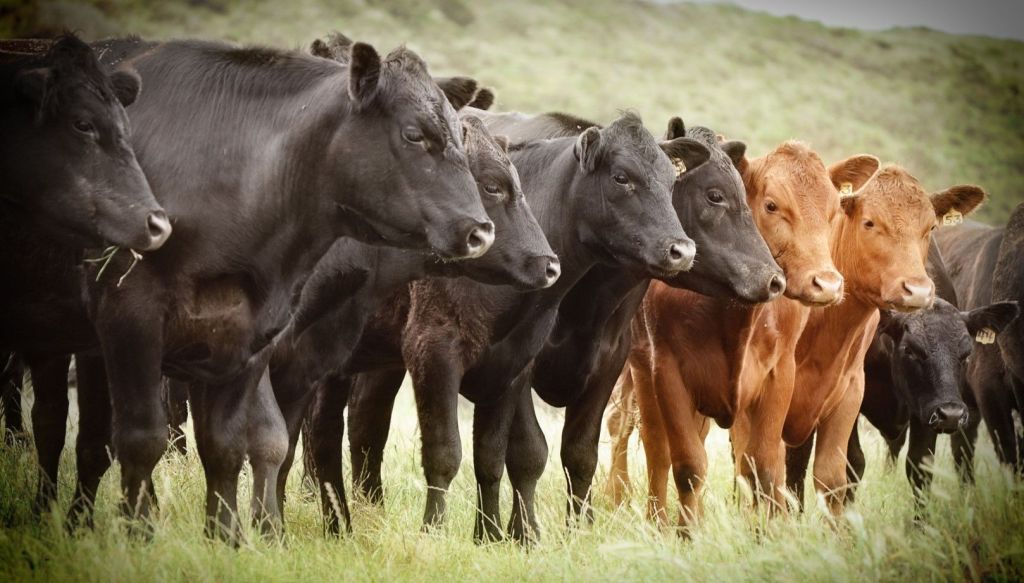
The more I learned and witnessed about industrialized agriculture, the more it left a bad taste in my mouth. I faced (and continue to face) snickers and scoffs at family gatherings filled to the brink with conservative meat-lovers and climate change deniers when I was asked why I was a vegetarian. My reception is never a warm one when I explain that I don’t eat meat because of the treatment of the animals involved and because meat production as it happens now is detrimental to the environment. Needless to say, I have been searching for alternative methods of agriculture to learn about and support for several years.
In her book One Size Fits None, Stephanie Anderson provides this. Perhaps I was not hard to convince because I was already trying to find ways to boycott industrialized agriculture, but I found her argument to be compelling. Anderson frames regenerative agriculture in a way that makes it seem plausible. By outlining the benefits of switching to regenerative farming not only to the public but also to the farmers, Anderson strengthens her argument to a point that makes me think someone in power might actually listen. I felt hopeful about agriculture for the first time in several years while reading this book.
Regenerative agriculture promotes a relationship of mutual respect between the land and humans. In this way, Anderson seems to support Aldo Leopold’s views about human use of the planet’s resources. While both authors believe we should use the planet’s resources to survive, Leopold and Anderson advocate for a relationship that focuses on the needs of both parties, rather than one based on domination by mankind. Leopold argues for sustainability, but Anderson takes it a step farther, as she must because of all the damage done since Leopold’s time. Anderson suggests that we need more than just sustainable practices, we need practices that will regenerate what we have destroyed. I imagine if Leopold was still alive, he would agree.
A world of regenerative agriculture practices would do wonders for more than just our food supply and human health. Conservation would be positively impacted. In this way, Anderson and Kolbert’s messages can be seen hand-in-hand. If agriculture practices that focused on a symbiotic relationship with the environment—a full ecosystem—were implemented, species suffering at the hand of humans and their agricultural practices would be more likely to thrive. Habitat fragmentation would decrease because farmers who practiced stacking enterprises would need less space, and without industrialized equipment and systems, farms would be smaller. Putting an end to the use of pesticides, herbicides, and other harmful chemicals would eliminate the runoff of these chemicals into the water and would decrease water pollution. Welcoming wild animals onto farms as a part of the ecosystem would also aid the return of species who have become more and more elusive due to overexploitation and loss of habitat.
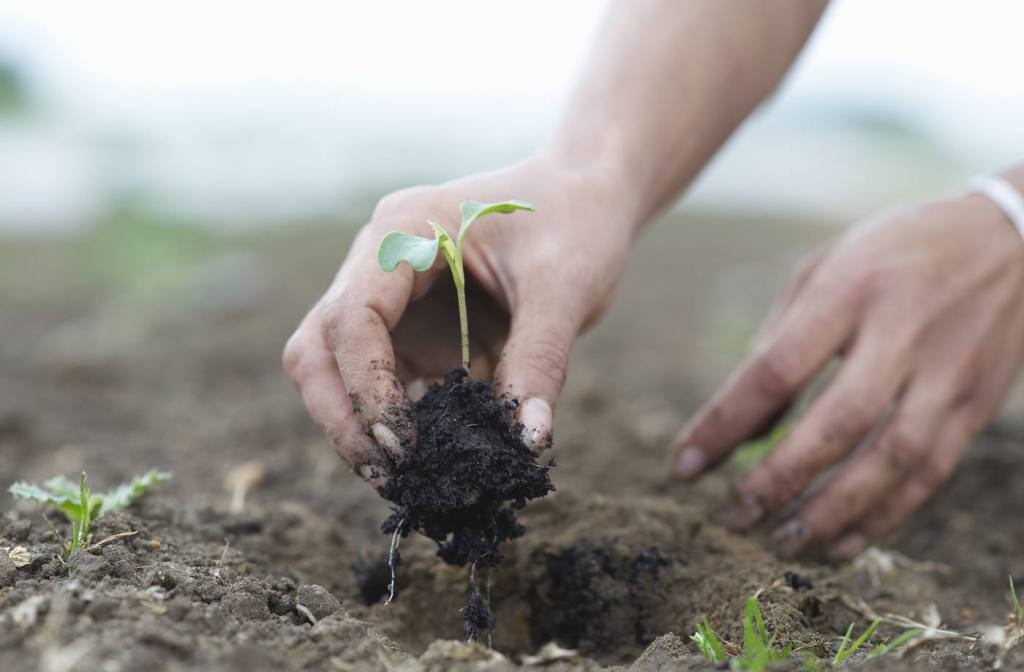
Of all the critical points Anderson makes throughout One Size Fits None, I found myself most compelled by the argument about soil health. Just as many farmers do not think of the soil, I have never fully considered how much a soil’s health can affect a crop’s health. I have spent my college career learning about things like microorganisms and nitrogen fixation, but understanding just how much a healthy soil can improve the quality of a farm’s products left me astounded. This section of One Size Fits None emphasizes the need for the regeneration of agriculture to start at the bottom and work its way up; this relationship with soil reiterates just how drastically respecting and better understanding the Earth will improve our own lives.
I came away from One Size Fits None wanting to recommend it to every farmer—and consumer, for that matter—that I know. I also came away with plans to be more careful in my own choices as a consumer and to make a conscious effort to support local farmers who are trying to use more sustainable practices. Now, if the rest of the world could do the same, we may be able to make a change. Regenerative agriculture must be the future, if we wish to have one.
 Emma's Blog