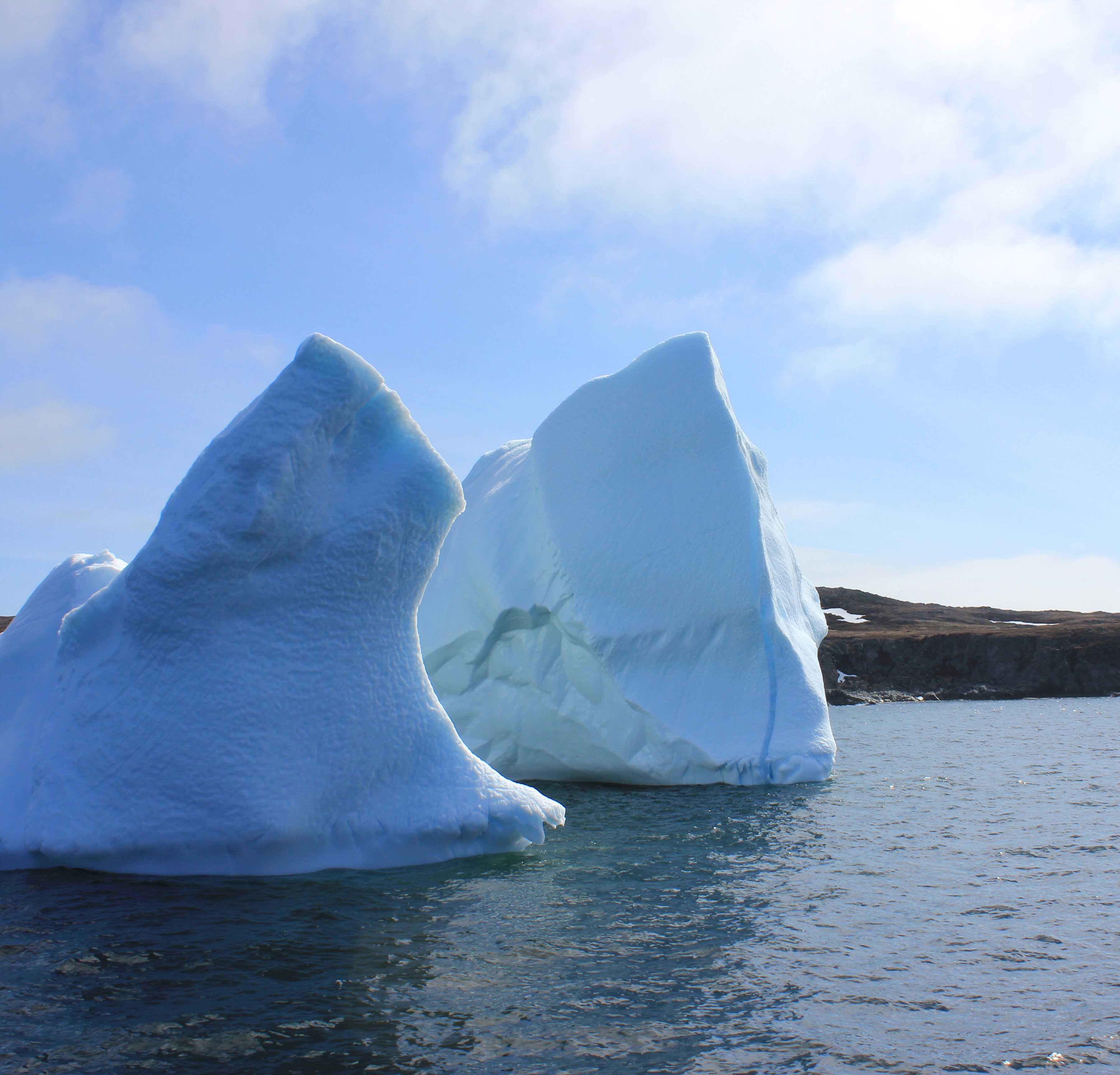
Leopold expresses his beliefs about ecology and the land ethic through his book, A Sand County Almanac. Leopold hooks all lovers of nature in his first sentence when he writes: “There are some who can live without wild things, and some who cannot (vii).” Leopold advocated for an Evolutionary-Ecological Land Ethic, which emphasized the maintenance of natural ecosystem health and the interconnectedness of biota. However, Leopold also believed in the role humans play in the ecosystem. Leopold himself was a hunter, and believed in the utilization of land by man, but he also believed in doing this in sustainable, respectful ways.
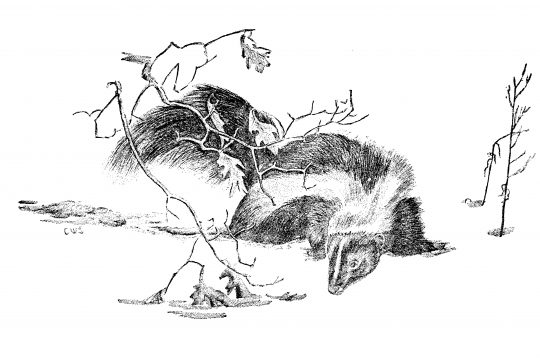
A lot has changed in the United States since the 1940s. The human population has soared. Technology has enabled massive changes in agriculture, travel, and living situations. Hundreds of species have gone extinct, and hundreds more have been added to the Endangered Species Act. While A Sand County Almanac—full of observations made in the wild, musings on the natural world, and arguments for what Leopold calls a “land ethic”—was first published over seventy years ago, it remains relevant to today. If anything, the need to connect land and people has become even more critical.
A greater awareness of environmental issues and the damage we have done to this planet as human beings exists today. However, other aspects of today’s world make the incorporation of a land ethic more challenging. In addition to the exponential growth of human population and the expansion of cities, there also seems to be a common attitude toward self-preservation that persists in often detrimental ways. While I did not live 70 years ago and cannot advocate for the general attitude of people living in this time, I do live now and see every day the need for instant gratification, for comfort despite consequences to others (or to nature), and the desire to ignore problems that we are not ourselves facing. Today, we have an instantaneous world of knowledge at our fingertips and the expansive ability to communicate with each other in all corners of the world, but rather than help us solve problems of sustainability and ecological balance, it aids us in ignoring them.
It is difficult to picture a world in which man is not the “conqueror” of nature, but it is this attitude exactly that has led us to our current state on the planet. A belief in our own superiority led to a lack of respect toward nature and all it has to offer. An emphasis on economic value when it comes to wilderness and non-human species has carried over from the 1940s. Leopold argues that we must work toward a land ethic, or an ecological conscience, that emphasizes each individual’s responsibility to the land. This, of course, begins with education.
Leopold himself admits that education is not the answer, or at least not the full answer, to the issue of building respectful relationships between humans and nature. However, he does emphasize that the correct education—which is thorough, honest, and ethical—can be a step in the right direction. This remains true today. I grew up attending the Saint Louis Zoo monthly, and I hope to eventually work as a veterinarian in a zoo because I believe in the value of zoos. I believe in them not only because of their work for conservation in the forms of breeding programs and fundraising, but also in their emphasis on public education. I recognize that this is not going to fix the problem—and in fact, it is a narrow-minded look at conservation, since it emphasizes only charismatic species—but I also believe that this act of public education is a step in the right direction, as Leopold believed himself.
The most important step in connecting man with nature is to instill this notion of an ethical relationship to land (“…love, respect, and admiration for land, and a high regard for its value”) in all of America’s citizens. Aside from education, a more important alteration lies in the economic system, which prioritizes land and nature that offers economic value over all other wildness. I believe that these same issues remain prominent today, and as future conservationists we must consider how to incorporate the land ethic in the 21st century world.
 Emma's Blog